Wednesday, August 9, 2023

Don't Tie Dry Fly Leaders

When it comes to fly fishing leaders, anglers often have their preferred methods and materials. Brian from Mad River Outfitters, has an interesting approach to dry fly leaders. Rather than tying his own, he opts for furled leaders, poly leaders, and versileaders. In this blog, we'll delve into why Brian chooses these alternatives and how they have enhanced his dry fly fishing experience.


One common question that we get is about his choice of leaders for dry fly fishing. While we acknowledge the effectiveness of tying your own leaders, we personally opt for furled leaders and poly leaders. 

The primary reason behind this choice is their superior performance compared to self-tied leaders. Not to mention, it saves you tons of time from tying many blood-knots. There is really no need to tie your own dry fly leaders when alternatives like furled leaders and poly leaders exist.

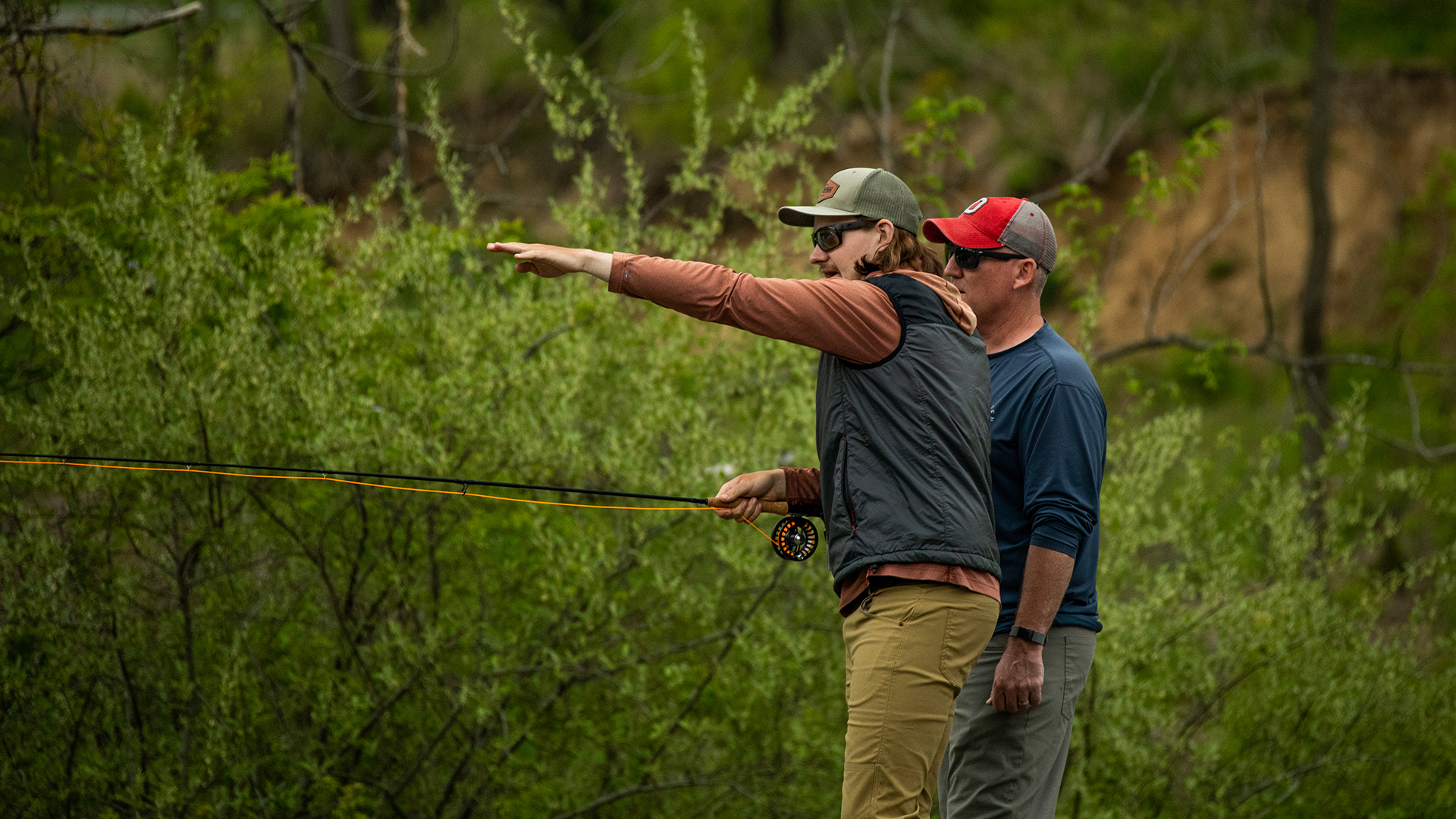
Let’s talk furled leaders. Furled Leaders, which are meticulously crafted braided leaders, are Brian’s go-to choice for dry fly fishing. He highlights that the furled leaders available at Mad River Outfitters are tapered butt sections, essential to understand before using them. Flechsig advises against double leadering, which refers to attaching a nine-foot leader to a poly leader or versileader. 


Instead, he suggests connecting the furled leader to the fly line using a loop-to-loop connection. With a tippet ring at one end and a loop at the other, furled leaders offer ease of use and allow anglers to add two, three, or four feet of tippet as desired.

Poly leaders and versileaders, on the other hand, serve as extensions of your fly line, providing additional casting versatility. Flechsig highlights the benefits of poly leaders from Airflo and versileaders from Rio. These floating leaders have loops at both ends, making it easy to tie a perfection knot for attaching the tippet. 

The length options of five and eight feet allow anglers to customize their leader length by adding four-foot tippets, creating nine or twelve-foot leaders if needed. He also mentions that poly leaders made of mono are stiffer and more suitable for heavier tippets, windier conditions, and larger flies.


Brian's preference for furled leaders, poly leaders, and versileaders for dry fly fishing stems from their exceptional performance and ease of use. These alternatives provide optimal presentation, effortless casting, and the flexibility to customize leader length. 

If you're curious to learn more about Brian’s insights and watch his advice on leaders, make sure to check out the full video on our YouTube channel. Enhance your dry fly fishing experience with these game-changing leaders.

Watch the full video here to gain valuable insights from Brian himself and discover the advantages of furled leaders, poly leaders, and versileaders for dry fly fishing.

Monday, August 7, 2023

How to Decide What Fly To Use

Hey there, friends! Today, let’s talk about how to decide what fly to use when you're out on the water. Today, we’ll dive into some key considerations and general advice to help you crack the code on fly selection. So let's get started!

Presentation Beats Pattern: When it comes to fly fishing, remember that presentation trumps pattern. If the fly looks like food and you make it act like food, chances are the fish will eat it.

While having specific patterns for certain situations is helpful, there's no need to stress over finding the perfect fly. Focus on making your fly act like food using your rod, line, and leader.

Fish the Right Type of Flies: If you’re having a difficult time understanding the diet of the specific fish you’re fishing for, we recommend looking at our fly department categories. We have fly categories for trout, warmwater fish and more. These categories can take the guesswork out of it for you.

Match the Hatch for Selective Feeding: During hatches, when fish are selectively feeding on a particular insect, it's essential to match the hatch.

Use a fly that matches the size, shape, and color of the insects they're targeting. Remember, size is the most critical factor, followed by shape and color. However, keep in mind that selectively feeding fish make up only a small portion of your fishing time.

Learn What the Fish Want to Eat: To improve your fly selection, take the time to learn about the primary food sources in the rivers you fish. Consult with local fly shops, as they have the most accurate information about what the fish are feeding on.

Additionally, reading books and researching entomology can provide valuable insights into the bugs fish eat and the flies needed to imitate them.

Stay Tuned for Entomology 101: At Mad River Outfitters, we are excited to announce that we'll soon be launching our entomology 101 series. We also have Entomology 101 Classes for our local folks. The next one is in September!

This educational resource will guide you in understanding what fly to use, how to make it act like food, and when to use it. Be sure to stay tuned and watch out for the release of this informative series.

Finding the right fly for fly fishing may seem like a daunting task, but it doesn't have to be. Remember, presentation is key, and making the fly act like food is crucial. Check out our fly department for our fly recommendations by fish. When there's a hatch, match the size, shape, and color of the insects. Consult your local fly shop, educate yourself on entomology, and keep an eye out for our upcoming entomology 101 series.


If you want to dive deeper into the topic of fly selection and learn more about the entomology behind it, head over to the Mad River Outfitters YouTube channel and watch our full video on How to Decide What Fly to Use When Fly Fishing.

Wednesday, August 2, 2023

Meet our Guide, Josh Trammell

We’ve been wanting to share a little more information about our Guide Josh Trammel at Mad River Outfitters and Ohio Fly Fishing Guides. This guy knows his stuff, and we can't wait for you to experience fishing with him firsthand.


Josh has been in the game for quite some time. He recently even took up helping us to instruct our 1-Day and 2-Day Fly Fishing Schools.

With over seven years of local guiding experience and already heading into his seventh season in Alaska, this man has a wealth of knowledge and expertise under his belt. You can trust that you're in capable hands when you're out on the water with Josh.


Josh's passion for fly fishing started at a young age, and he's been hooked ever since. From steelhead to smallmouth bass, he's got you covered. He's been guiding on steelhead rivers since he was 17 or 18, and even ventured into Alaska at the age of 16.


The love for his craft shines through in the glowing reviews from clients who have had the pleasure of fishing with him.


If you're looking for an unforgettable experience, Josh's float trips are where it's at. Picture yourself cruising down the river on his fast jet boat, allowing you to cover vast stretches of water and get places you normally couldn’t.


With his expertise and top-notch equipment, you're bound to have a blast and make some incredible memories.

But that's not all! Josh has also mastered the art of smallmouth bass fishing, and let us tell you, it's the real deal. Ohio may be known for its steelhead, but don't sleep on the exceptional smallmouth bass fisheries in the area.


Josh knows the ins-and-outs of Ohio waters and will guide you to some trophy-sized catches. There's just something uniquely American about landing a smallmouth on a fly rod, and Josh knows exactly how to make that experience unforgettable.


Watch the full video to get to know Josh Trammell better and see the amazing fishing opportunities Ohio has to offer. Don't forget to check out Ohio Fly Fishing Guides and book a trip with Josh.


Whether you're craving the thrill of steelhead fishing or itching to tackle some smallmouth bass, Josh is ready to make your fly fishing dreams come true. So grab your gear, hop on a raft, and get ready for an adventure like no other!

Monday, July 31, 2023

Flip's Leader Wallets Are Here!

Hey there, folks! Let’s talk about the amazing Flip Pallot Leader Wallet. Now, if you haven't heard of it, hold on tight because this is going to blow your mind.


About a year or two ago, we reintroduced the famous Flip Pallot Leader Wallet, and it quickly became a hit. However, we faced some production challenges and supply chain issues. But fear not! We've found a fantastic company right here in Columbus, Ohio called Scioto Made, and they've helped us overcome these hurdles.


Now, let's dive into the improvements we've made to the wallet. First off, we upgraded the material to a durable Cordura fabric and improved the visibility by using a larger mesh. We've also made the opening process smoother by sewing in tabs instead of using pull tabs. Trust me; it feels like butter now!


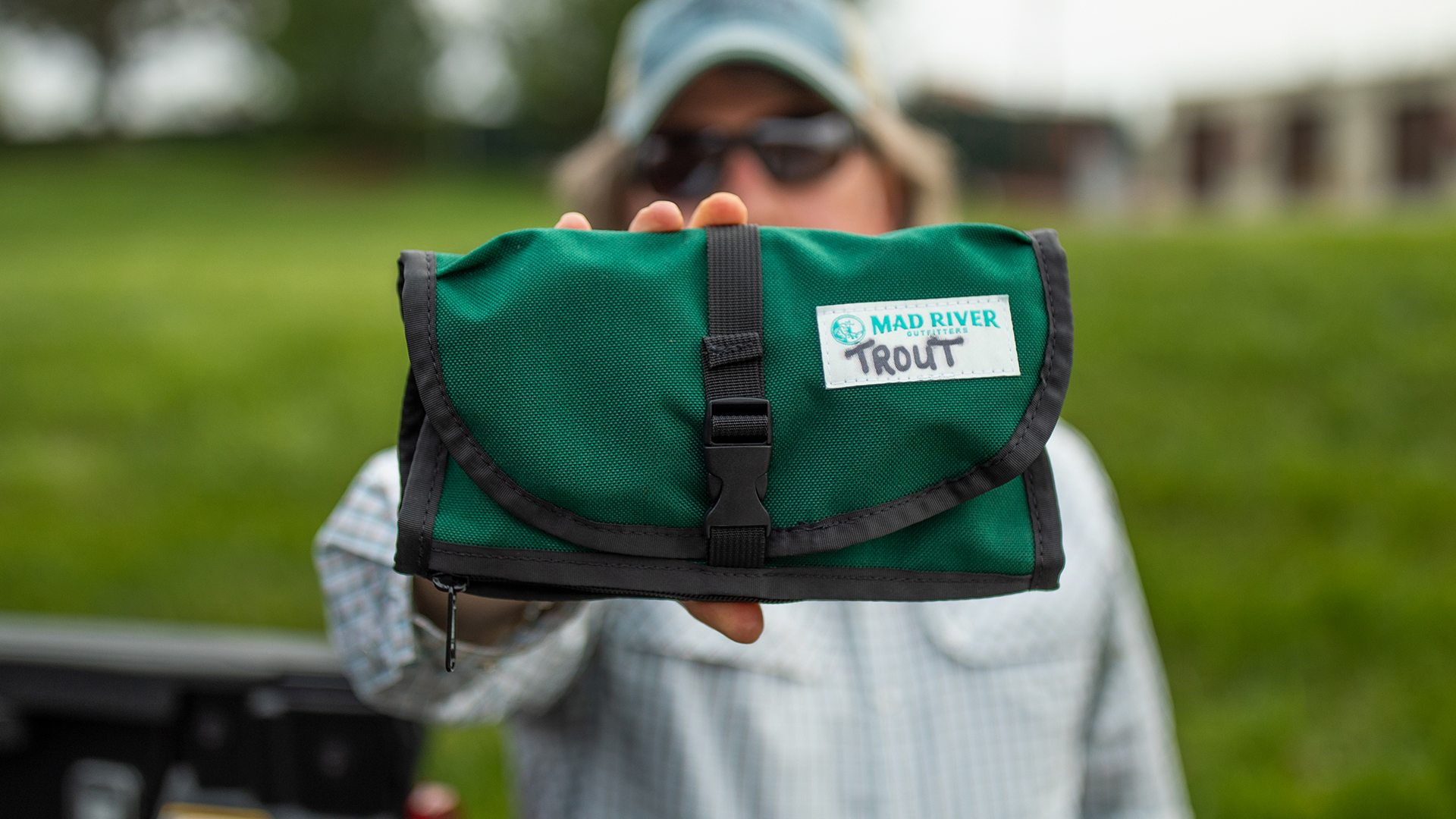
But that's not all. We've added the new 2022 Mad River Outfitters logo as a sewn-on patch, allowing you to label it with your favorite fish species. And don't forget about the handy string inside for attaching knot tying or snell tools. Plus, there's a side pouch for any additional fishing essentials you may need. We worked with Flip Pallot himself to develop this and add new features and to refine others.


Flip’s Leader Wallet is perfect for organizing your trout, bass, or saltwater leaders. It's compact, travels well, and ensures you always have the right leaders at your fingertips. Trust me; it's a must-have for every fly angler.

To see all the fantastic features of the Flip Pallot Leader Wallet, we highly recommend watching the full YouTube video. You can also pick one up at Mad River Outfitters right here.


Thursday, July 27, 2023

Friday Flies: Ol' Mr. Wiggly by Pat Kelly


Popularized and developed in 2010 by Charlie Piette and the guys over at Tightlines Fly Fishing Co in Wisconsin, Ol' Mr. Wiggly was a much needed topwater fly that filled a void in the surface game when a traditional popper was simply overkill and too abrasive. At this point, the use of this pattern and its effectiveness in low clear water conditions for Smallmouth Bass fishing is no longer a secret. It is essential when trying to unlock the fickle and technical nature of the Smallmouth in the low clear water of Summertime. Long leaders and drag free drifts become the name of the game if you want to consistently fool big Smallmouth Bass.  

One of the reasons I think this fly is so productive in these difficult conditions is that it plays on the fishes instinctual nature to be a sampler. In late Summer, when the water is very low and clear you are dealing with very educated and spooky Bass. Often times even a dead drifted popper is overkill and one needs a fly that is unobtrusive with very subtle movements. When fishing this fly, treat it just like a dry fly. Long leaders, lighter tippet, and focusing on the right angle of approach coupled with drag free drifts with no more than an occasional twitch are critical to consistent success. When float fishing out of a boat it can be very effective to stand in an elevated position and sight fish, picking out ideal spots or individual fish.       

This style of fishing is not for everyone. It requires discipline and the willingness to fail. But for the angler who keeps faith in the process and the belief it will work one can reap the benefits of one of the most rewarding ways to fool a fish!

For more information on this technique as well as many others be sure to check out Smallmouth: Modern Fly Fishing Methods, Tactics and Techniques. 

Step 1: Before starting the foam body of the Wiggly it is important to lay a solid base of tying thread first. This will serve as a strong foundation for your foam body so that it does not shift, spin, or move around on you. If you tie a fly, tie it well so they are built to last. 


Step 2: Cut a strip of Loco Foam approximately 1/4"-3/8" in width and 3" in length. The length is less critical as it can be trimmed later (this is my preferred size for this particular  hook/pattern size, so adjust accordingly). Fold the foam in half so the material is doubled over with the split end tied off the rear of the hook. Like I stated earlier this end will be trimmed after the fact, so length is not critical. Most of the time I will trim the tail after the fly is finished and is subjective and based on what you like the look of. I generally shoot for about as long as the hook gap is wide. This is Merica' so do what you want. The folded end you want to hang over the eye of the hook approximately 2-3 eye widths.

There are many different varieties of sheet foam out there on the market, anything that is roughly 1.5-2mm in thickness will work just fine. I personally use Blane Chocklett's Loco Foam. I prefer this material because it comes in a variety of cool colors. One side is a little flashier and the other side is a more dulled out version of the given color. This is nice because depending on how I want my Wiggly to look, I can fold the foam one way or the other. Can I get a foam a little less expensive somewhere else, sure but I like supporting the fly tying industry and my friends who are the driving force behind it.  


Step 3: Make the first wrap close to in line with the barb of the hook. I'll make 3-4 wraps getting progressively tighter, securing the foam in place. Before proceeding to the next segment I will advance the thread forward, make a few wraps around the shank and then return my thread to the first body segment and make a few more securing wraps. This technique will help minimize the amount of spinning and foam rolling out of position. Use this technique on every body segment throughout the tying process.


Step 4: Continue up the hook shank creating a total of four body segments. 


Step 5: While the thread is hanging on the fourth body segment, select a small bundle of Senyo's Predator Wrap- UV Silver about 1.5" long and center tie it along each side of the body. This step just adds an element of buggyness that could be perceived as legs or part of the wings. Once tied in on each side, return the fly to it's upright position and trim them so they are about as long as the hook gap is wide. 


Step 5: Advance your thread forward, leaving about one eye width of room and tie down the foam. This step will create the last body segment. This will also be where we will tie in our rubber legs.


Step 6: Select three to four rubber legs and center tie them in place on either side of the body. Once tied in and secured, move thread forward to in front of the last segment but behind the eye. Build up a little thread bump to help prop up the over hanging foam. This will help the fly push a little water and make it easier to tie the fly on. Whip finish and tie off thread. Lay down a dollop of Z-Ment on the underside at each one of the body segments to help with fly durability.


Step 7: Before taking the fly out of the vice, get ahold of your rubber legs and pull them toward the back of the hook. If you trim the legs longer than the hook or body of the fly is they will tend to fowl and the pattern will spin. I try to trim them so they are extending to about the point or barb of the hook. I would rather err on the long side here as I can always cut and remove a little length if need be. 


Summer is flying by and will be gone before you know it, so get out there and fish a Wiggly or Popper and get it while the gettin is good!!   

To hear more on this fly and technique check out this video, where Tim Landwehr talks about "Ol' Mr. Wiggly"  

Recipe
Thread: Veevus Power Thread 140
MFC Wide Gap Streamer Straight Eye Hook #2
Chocklett's Loco Foam (Damsel Blue or color of choice)
Senyo's Predator Wrap (UV Silver or color of choice)
Chicone's Regular Crusher Legs (Black Barred Clear or color of choice)  

Carp on the Fly: A Conversation with Brad Befus, President of Scientific Anglers

In a recent interview on our YouTube channel, Brian and the President of Scientific Anglers, Brad Befus, discussed the influential book "Carp on the Fly" Originally published in 1997, this book has become the go-to resource for fly fishermen interested in pursuing carp. 

Brad Befus, along with Barry Reynolds and John Berryman, wrote the book, which has inspired countless anglers over the years. In the interview, Brad shares the story behind the book and highlights the challenges and joys of fly fishing for carp.


The Birth of "Carp on the Fly": Brad Befus recalls how he and Barry Reynolds came up with the idea for the book. Both of them had independently discovered the thrill of fishing for carp and realized that it was an untapped subject in the fly fishing world. 

They saw an opportunity to bring attention to this overlooked species and provide a valuable resource for anglers looking to catch carp on the fly. With their combined knowledge and experiences, they created a book that offered approaches, tips, and insights into carp behavior and fly fishing techniques.


Expanding Horizons


The interview also touches on how "Carp on the Fly" influenced other fly fishing enthusiasts, including Brian Flechsig himself. 

Brian discusses how the book served as an inspiration for his own endeavors and how it influenced the creation of the "Carp on the Fly" video. The video, released a few years later, complemented the book by showcasing additional techniques and environments for carp fishing. 

Brian and Brad express their gratitude to the legendary fly angler Dave Whitlock, who played a pivotal role in popularizing carp fishing and imparting his wisdom to future generations.


A Testament to Carp Fishing


"Carp on the Fly" continues to be a valuable resource for fly anglers, providing insights into the technical aspects of targeting carp and revealing their opportunistic feeding habits. 

The book has paved the way for a growing interest in carp fishing and has helped anglers appreciate the challenges and rewards of pursuing this unique species. 

Whether you're an experienced angler or a novice, "Carp on the Fly" offers a wealth of knowledge to enhance your fly fishing adventures.


The interview with Brad Befus sheds light on the origins and significance of the book "Carp on the Fly." For those intrigued by the idea of fly fishing for carp, this conversation provides a captivating glimpse into the world of carp angling. 

To gain a deeper understanding and learn from the experts, it is highly recommended to watch the full video on the Mad River Outfitters YouTube channel. 

Additionally, make sure to pick up a copy of "Carp on the Fly" from their website to expand your fly fishing horizons and embark on exciting carp fishing expeditions.

Wednesday, July 26, 2023

Master the Art of Mending

We recently released a Q&A episode where Briand discusses the how-to and importance of mending and provides valuable insights for both beginners and seasoned fly fishermen. 

Mending plays a crucial role in achieving a natural drift and preventing drag, ultimately increasing your chances of success on the water. Let's explore the key takeaways from the video.


  • The Importance of Line Control and Equipment Choices


  • In response to a viewer's question about switching fly lines, Brian emphasizes the significance of adapting your equipment to different fishing situations. While a floating line is versatile and suitable for most scenarios, specialized lines like sink tips or sinking lines are essential for streamer fishing or nymphing.


  • Brian advises carrying multiple rods or reels with different line setups to switch between techniques effortlessly. Alternatively, using extra spools or an Omnispool Switch Box can provide a convenient solution for those who prefer to have a single reel but want to switch lines quickly on the water.


  • Mending: Enhancing the Drift


  • Brian responds to another viewer's query about mending techniques. He breaks down the fundamentals of mending by illustrating how it combats drag, which occurs when different currents affect your line's movement. 


  • By flipping the line upstream, anglers can create a more natural drift, allowing the fly to float freely. Brian emphasizes that mending is crucial for achieving a dead drift, especially when dry fly or nymph fishing. He demonstrates the simple flicking motion of the rod tip and advises anglers to avoid moving the fly excessively while mending.


  • Mastering Mending Techniques


  • Brian's on-the-water demonstration in the video provides a visual understanding of mending and its purpose. He emphasizes that mending is about buying time for a natural drift and preventing the current from pulling the fly out of the target zone. 


  • By executing well-timed mends, anglers can significantly increase their drift duration, giving the fly ample opportunity to entice fish. Brian also highlights the importance of mending during nymph fishing, suggesting that constant mending is often required for an effective drift.


By understanding the purpose of mending and mastering the simple techniques demonstrated by Brian, anglers can enhance their fishing success by achieving longer and more natural drifts. Whether you're a beginner or a seasoned angler, incorporating mending into your repertoire will undoubtedly elevate your fly fishing skills and increase your chances of landing that coveted catch.